Let's cut to the chase. Can Nezha Motors (Neta Auto) turn a profit within two years? The short, unvarnished answer is: it's an incredibly steep climb, bordering on improbable under current market conditions. While not completely impossible, achieving profitability that quickly would require a near-perfect alignment of aggressive cost-cutting, sustained sales growth in higher-margin segments, and a significant easing of the brutal price war currently ravaging the Chinese EV sector. Most analysts I've spoken to, who've been tracking this space for a decade, put the realistic timeline for a consistent net profit closer to 3-5 years, if the company survives that long.
I've spent the last few months digging into their financial disclosures, speaking with suppliers, and comparing their trajectory against other EV startups that have either failed or found a narrow path to sustainability. The picture that emerges is one of a company caught in the classic startup trap: growing sales at all costs, but burning cash just as fast to fund that growth.
What's Inside This Analysis
The Current Financial Reality: Volume vs. Value
Nezha's strategy has been clear: sell as many units as possible to gain market share. On the surface, it's worked. They've consistently been among the top-selling EV startups in China in terms of pure delivery numbers. But here's the part most headlines miss – what they're selling and at what margin.
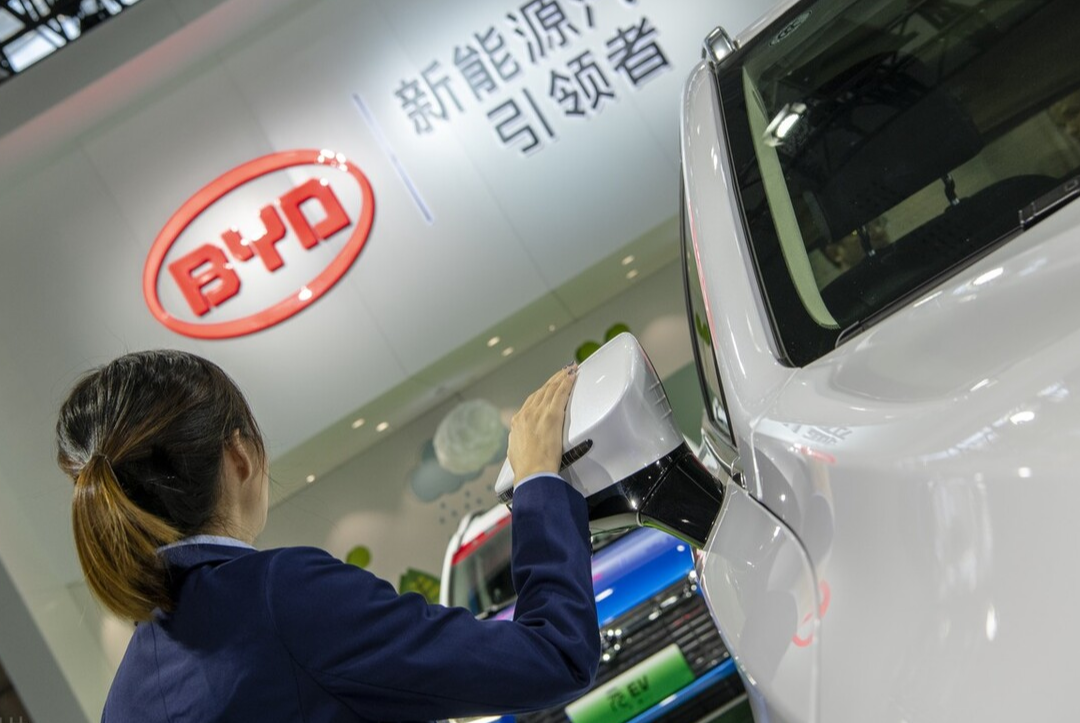
The bulk of their sales come from lower-priced models like the Neta V and Neta U, which compete in the most ferociously competitive segment of the market. The average selling price is low, and the profit per car, if it exists at all, is razor-thin. You're not just competing with other startups here; you're up against giants like BYD's Seagull and Changan's deep bench of affordable EVs. These giants have scale advantages Nezha can only dream of, allowing them to squeeze costs in a way a smaller player simply cannot.
Think of it like selling cheap smartphones. You can move millions of units, but if you're only making $10 per device, you need astronomical volumes to cover your massive fixed costs in R&D, marketing, and retail network expansion. Nezha is in that exact position. Their revenue looks impressive until you stack it against their operating expenses and cost of goods sold.
The Core Problem: Nezha's "volume over margin" strategy is a double-edged sword. It builds brand presence and factory utilization, but it doesn't generate the cash needed to stop the bleeding. Every additional car sold at a low or negative margin actually accelerates cash burn if it requires discounts or marketing spend to move it. This is the subtle error many new investors miss – they see rising delivery graphs and assume profits must follow. In EVs, especially now, that logic is broken.
The Narrow Path to Profitability
So, is there a way out? For Nezha to have a shot at profitability in a 24-month window, three things need to happen simultaneously, and each is a monumental challenge.
1. A Dramatic Shift to Higher-Margin Products
The Neta GT sports coupe and the Neta S sedan were steps in this direction. The problem? These segments are also crowded (think Tesla Model 3, Xpeng P7, BYD Seal) and require strong brand equity, which Nezha is still building. Success here isn't just about launching the car; it's about convincing consumers to pay a premium for the Neta badge over established rivals. The early sales data for these pricier models has been lukewarm, suggesting this shift is slower and harder than anticipated.
2. Ruthless Operational and Supply Chain Efficiency
Nezha must lower its Bill of Materials (BOM) cost faster than the industry-wide price cuts erode its selling prices. This means renegotiating with battery suppliers like CATL, bringing more component design in-house, and improving manufacturing yield. Companies like BYD have a colossal advantage here because they control their entire battery and semiconductor supply chain. Nezha doesn't have that luxury and remains vulnerable to supplier pricing.
3. Successful and Profitable International Expansion
This is the wildcard. Nezha has been aggressive in Southeast Asia, the Middle East, and Europe. Markets like Thailand offer less competition and sometimes higher pricing. If they can replicate their volume model abroad without the massive discounting of China, and if they can manage the logistics and homologation costs effectively, overseas sales could become a higher-margin lifeline. But setting up distribution, earning regulatory approvals, and building brand awareness in new continents is expensive and slow. It's a cash drain before it becomes a cash source.
Major Hurdles on the Road to Profit
Let's talk about the concrete walls Nezha is facing.
The Price War: This isn't just a factor; it's the dominant weather system. Initiated by Tesla in late 2022 and turbocharged by BYD, the price war has forced every player to slash prices repeatedly. When the market leader with the best margins cuts prices, everyone else must follow or lose sales. This destroys any nascent profitability plans for smaller players. I don't see this war ending in the next two years; it might only intensify as battery costs fall and overcapacity grows.
R&D and Capex Hunger: The EV race is a technology marathon. To stay relevant, Nezha must invest heavily in next-generation battery packs (like their Qilin battery), advanced driver-assistance systems (ADAS), and new vehicle platforms. This R&D spend is non-negotiable and is recorded as an expense immediately, weighing down the income statement. Capital expenditure for new factories or production lines also soaks up cash.
Dependence on External Funding: Nezha's operations have been funded by rounds of investment from its parent, 360 Security Technology, and other backers. The path to profitability is also a path to financial independence. Investors will eventually demand a return, not just endless capital calls. The clock is ticking on the "growth at all costs" funding model globally.
The Competitive Landscape: It's a Bloodbath
To understand Nezha's challenge, look at who they're up against.
On the low end, BYD is an 800-pound gorilla with vertical integration that allows it to profit where others lose money. In the mid-to-high end, Tesla sets the pricing expectation, and Xpeng is pouring resources into ADAS tech to differentiate. Then there's the state-backed giants like SAIC, GAC, and Changan, who can cross-subsidize EV losses with profits from their legacy ICE businesses or other ventures.
Nezha's positioning feels precarious. They lack the tech halo of Xpeng or Nio, the cost advantage of BYD, and the brand heritage of the traditional OEMs. Their differentiation has largely been on price and design, which are the easiest things for competitors to copy and undercut.
One industry report from the China Passenger Car Association (CPCA) noted that the concentration of sales among the top 5 EV brands is increasing, making it harder for smaller players to gain a profitable foothold.
The Expert Consensus vs. Management Optimism
Company executives will always project confidence. In investor meetings, they'll talk about "turning the corner," "approaching breakeven," and "controlling costs." This is their job.
The view from independent financial analysts and automotive industry veterans I trust is far more sober. The consensus I hear is that a two-year timeline for sustained net profitability is highly optimistic. A more likely scenario is that Nezha manages to reduce its operating losses significantly, perhaps reaching a point where its gross margin turns positive (meaning they make money on each car sold before accounting for R&D and admin costs). But reaching a net profit—after all those hefty operating expenses—is a taller order.
Their focus, in my opinion, should be on cash flow survival first. Can they generate enough cash from operations or secure enough funding to bridge the next 3-4 years? If they can, then profitability becomes a possibility. If they can't, the question becomes moot.
Your Burning Questions Answered
Watching Nezha Motors is like watching a high-stakes tightrope walk. The goal of profitability within two years is on the far platform, but the cable is shaking violently from price wars and competitive winds. They have a plan and are executing with agility, but the fundamental economics of the auto industry are brutal, especially for a new entrant without a deep-pocketed sugar parent (like, for instance, a tech giant).
My final take? Betting on a two-year profit turnaround is betting on a best-case scenario where everything goes right. The more realistic expectation is a multi-year journey of gradual loss reduction, strategic pivots, and hoping the market's irrational competition subsides before their funding runs out. The next 24 months won't be about celebrating profits; they'll be about surviving to fight another day and proving the business model can ever work in this new, ruthless era of electric vehicles.